Grocery shopping is a must for every family. It is part of the routine.. Handling a family grocery budget picking healthy foods and making sure the kitchen has enough supplies can sometimes be hard. From breakfast cereals and fresh fruits to rice, flour, pulses, cooking oil and regular snacks families need different items to make good meals all week long.
Not planning well can lead to buying things you don’t need, throwing away food and spending a lot of money.. If you take some time to get ready and use a clear grocery list, families can save money, choose better foods and make cooking each day easier.
No matter if you are buying for a family or a big household this guide will help you find smart grocery shopping tips for families. It will show you how to plan a grocery budget, pick important items for the pantry and make the best of every trip to the store.
1. Why Is Grocery Shopping Important for Families?
Grocery shopping is more than simply purchasing food. It plays an important role in household budgeting, nutrition, and daily meal planning. A well-planned grocery routine helps families meet their food requirements while maintaining a comfortable household budget.
Here are some key benefits of organized grocery shopping:
Better budget management: Planning purchases in advance helps families avoid unnecessary expenses and control their monthly grocery budget.
Healthier eating habits: A thoughtful grocery list encourages families to buy fruits, vegetables, whole grains, pulses, and other nutritious foods.
Less food waste: Buying groceries according to actual household needs reduces the chances of food expiring or being forgotten in the pantry.
Convenient meal preparation: Keeping essential ingredients available makes it easier to prepare breakfast, lunch, dinner, and snacks.
Time savings: Shopping with a prepared list reduces the time spent deciding what to buy during each trip.
For busy families, an organized grocery routine can make everyday household management simpler and more efficient.
2. Create a Family Grocery Shopping List
One of the most effective grocery shopping tips for families is to prepare a shopping list before visiting a store or ordering groceries online.
Start by checking your kitchen cabinets, refrigerator, and pantry. Identify the items that are running low and note the groceries required for upcoming meals.
Divide your list into categories to make shopping easier.
Essential Grocery Shopping Checklist for Families
Grains and flour
- Wheat flour (atta)
- Rice
- Multigrain flour
- Oats
- Semolina (sooji)
- Breakfast cereals
Pulses and legumes
- Toor dal
- Moong dal
- Masoor dal
- Chana dal
- Rajma
- Chickpeas (chole)
- Black gram (urad dal)
Cooking essentials
- Cooking oil
- Ghee
- Salt
- Sugar or jaggery
- Basic spices and seasonings
Fresh produce
- Seasonal fruits
- Leafy vegetables
- Potatoes and onions
- Tomatoes
- Other vegetables used in everyday meals
Dairy and refrigerated products
- Milk
- Curd or yogurt
- Paneer
- Cheese, if required
Breakfast and snacks
- Bread
- Biscuits
- Nuts and seeds
- Peanut butter
- Healthy snack options
Household essentials
- Dishwashing liquid
- Laundry detergent
- Floor cleaner
- Tissues
- Personal hygiene products
Adjust this grocery shopping checklist according to your family’s size, food preferences, dietary needs, and cooking habits. You do not need to purchase every item during every shopping trip.
3. Set a Realistic Family Grocery Budget
Managing grocery expenses is easier when you decide how much you can comfortably spend before shopping. A realistic grocery budget helps you prioritize essential food items while leaving room for occasional treats.
Follow these practical steps to manage your grocery spending.
Review Your Previous Expenses
Look at your previous grocery bills to understand how much your family typically spends each week or month. Identify categories where expenses are higher than expected, such as packaged snacks, beverages, or impulse purchases.
Divide Your Budget into Categories
Allocate your grocery budget according to your household’s needs. For example, you can plan separate amounts for grains and pulses, fresh produce, dairy products, snacks, and household supplies.
Your allocation should reflect your family’s actual consumption rather than a fixed percentage that may not suit everyone.
Compare Prices and Pack Sizes
Compare the price per kilogram, litre, or unit when purchasing products in different pack sizes. A larger pack may offer better value, but only if your family can use the product before its quality declines or its expiry date arrives.
Keep a Small Emergency Allowance
Prices can change, and families sometimes need additional ingredients during the week. Keeping a small allowance for unexpected purchases makes your budget more flexible.
Practical tip: Track grocery spending in a notebook, spreadsheet, or budgeting app. Reviewing your expenses regularly can help you identify opportunities to save.
4. Plan Weekly Meals Before Shopping
Meal planning is one of the easiest ways to make grocery shopping more efficient. Instead of buying ingredients randomly, decide what your family will eat throughout the week and purchase groceries accordingly.
For example, an Indian family might plan the following meals:
- Breakfast: Poha, oats, vegetable upma, paratha, or cereal.
- Lunch: Roti, rice, dal, vegetables, and curd.
- Evening snacks: Fruit, homemade snacks, roasted chana, or sandwiches.
- Dinner: Roti, seasonal vegetables, rice, khichdi, or other family favourites.
Once you have planned your meals, identify ingredients that can be used in multiple dishes. Rice, atta, onions, tomatoes, pulses, and basic spices can support a variety of everyday recipes.
Meal planning also makes it easier to accommodate school lunches, work schedules, weekend meals, and special family occasions.
Avoid planning an overly complicated menu if your family has a busy schedule. Simple meals using familiar ingredients are often easier to prepare and manage.
5. Choose Healthy Groceries for the Whole Family
A balanced grocery basket can help families build healthier eating habits. Rather than focusing only on packaged foods or convenience products, include a variety of food groups.
Include Whole Grains
Choose staples such as whole-wheat atta, oats, brown rice, or other whole grains according to your family’s preferences. These foods can contribute fibre and other nutrients to everyday meals.
Buy Different Types of Pulses
Pulses such as moong dal, masoor dal, chana dal, rajma, and chickpeas provide plant-based protein and fibre. They are versatile ingredients for dal, curries, salads, soups, and other home-cooked meals.
Add Fruits and Vegetables
Purchase a variety of seasonal fruits and vegetables. Seasonal options can provide variety and may be more affordable than some out-of-season alternatives.
Choose produce based on your planned meals and storage capacity. Buy smaller quantities of highly perishable items if your family cannot consume them quickly.
Choose Suitable Protein Sources
Depending on your family’s preferences, include foods such as pulses, beans, dairy products, eggs, nuts, seeds, or other suitable protein sources.
Check Packaged Food Labels
When purchasing packaged groceries, check the ingredient list, serving size, nutrition information, and expiry or best-before date. Pay particular attention to added sugar, sodium, and saturated fat when comparing similar products.
A healthier grocery basket does not need to be expensive. Planning meals around affordable staples, seasonal produce, and home-cooked food can help families maintain variety without unnecessary spending.
6. Save Money with Smart Grocery Shopping Tips
Families can reduce grocery expenses without compromising on essential food items by making a few practical changes.
Shop with a List
Stick to your prepared grocery list as much as possible. Before adding an extra item to your cart, consider whether you genuinely need it.
Compare Offers Carefully
Look for discounts on frequently used products, but compare the final price rather than focusing only on the advertised savings. Avoid buying unnecessary products simply because they are on sale.
Purchase Staples in Suitable Quantities
Rice, flour, pulses, and other dry pantry staples may be suitable for bulk purchases when you have adequate storage space and use them regularly.
However, avoid stocking up on large quantities of products that your family rarely uses.
Choose Seasonal Produce
Seasonal fruits and vegetables can offer variety and potential savings. Plan meals around available produce rather than insisting on the same ingredients throughout the year.
Reduce Impulse Buying
Shopping while hungry or without a list can encourage unnecessary purchases. Eating before shopping and following a planned budget can help you make more deliberate decisions.
Use Loyalty Benefits Wisely
If a grocery store offers membership benefits, coupons, or reward points, check whether they provide genuine savings on products you already purchase.
The main objective is to spend less on unnecessary items, not to avoid spending on nutritious and essential groceries.
7. Decide Between Online and Offline Grocery Shopping
Families can choose between traditional store visits and online grocery shopping depending on their schedules, preferences, and household requirements.
Benefits of Offline Grocery Shopping
Shopping at a physical grocery store allows you to inspect fresh produce, compare products directly, and select the exact quantities you need. It can also be useful when you need groceries immediately.
However, visiting a store requires travel time and may encourage unplanned purchases if you do not follow a list.
Benefits of Online Grocery Shopping
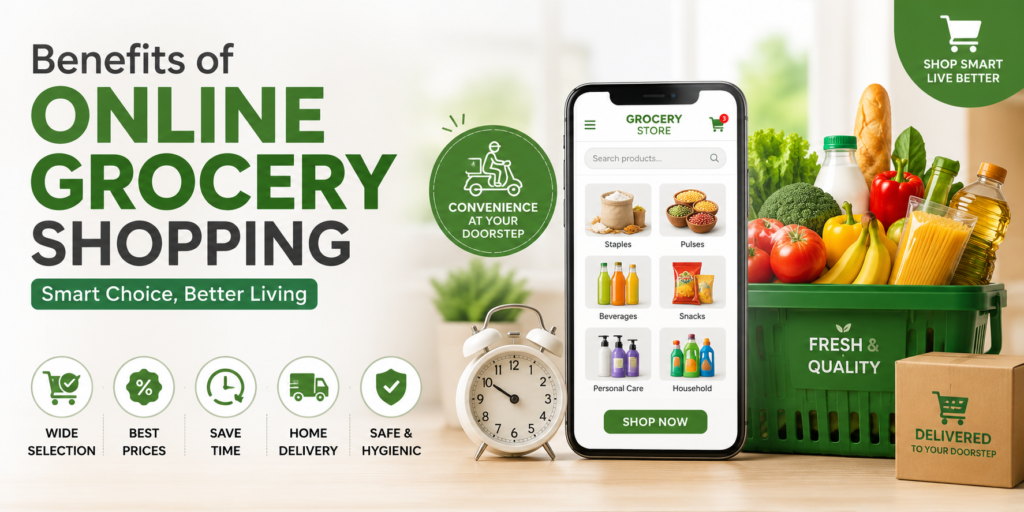
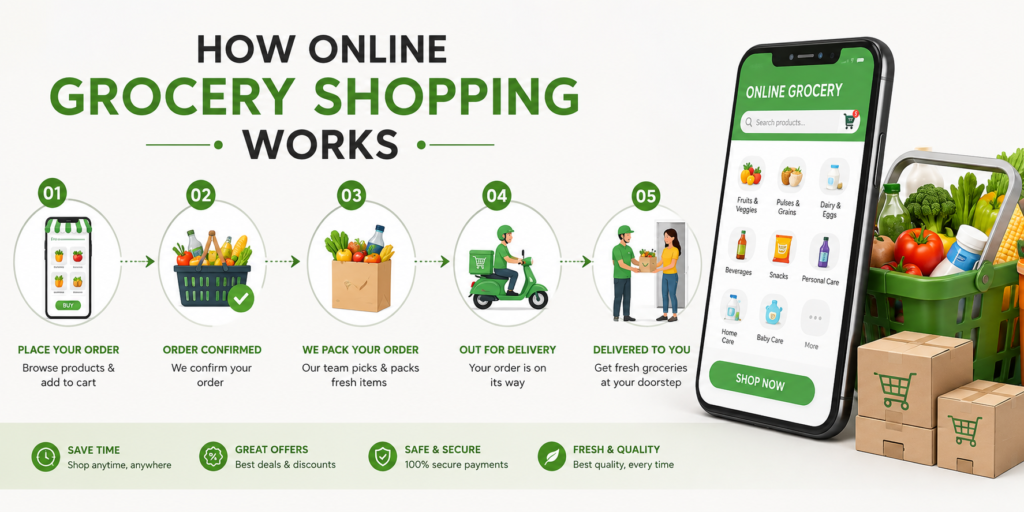
Online grocery shopping allows families to browse products, compare prices, check pack sizes, and place orders from home. It can be particularly convenient for busy parents, working professionals, and households that regularly purchase heavy items such as rice, flour, and cooking oil.
Before placing an order, check delivery charges, minimum order requirements, delivery times, product availability, and return or refund policies.
Which Option Is Better for Families?
There is no single option that works best for every household. Offline shopping may be preferable for selecting fresh produce, while online shopping can be convenient for planned purchases and routine pantry restocking.
Some families benefit from combining both methods to save time and manage their grocery budgets effectively.
8. Organize Your Pantry and Store Groceries Properly
Buying groceries wisely is only part of the process. Proper storage helps preserve food quality, reduce waste, and make everyday cooking more convenient.
Use the First-In, First-Out Method
Place older products at the front of your pantry and newer purchases behind them. Use products with earlier expiry dates first, provided they are still safe and suitable to consume.
Store Dry Staples in Airtight Containers
Transfer suitable dry foods such as rice, flour, and pulses into clean, dry, airtight containers. Keep them in a cool, dry place away from moisture and direct sunlight.
Store Perishable Foods Correctly
Refrigerate foods that require cold storage promptly. Keep raw and ready-to-eat foods separated, and follow the storage instructions on product packaging.
Label Containers
Use labels to identify products and, where helpful, record opening dates. This makes it easier to monitor your pantry and identify items that need replenishing.
Check Your Pantry Regularly
Review your stored groceries before creating your next shopping list. This prevents duplicate purchases and helps you use ingredients that are already available.
An organized pantry makes it easier to find ingredients, plan meals, and maintain a consistent grocery routine.
9. Common Grocery Shopping Mistakes Families Should Avoid
Even experienced shoppers can make mistakes that increase expenses or create unnecessary waste.
Shopping without checking existing supplies: You may buy products that are already available at home. Check your pantry and refrigerator before making a list.
Buying too much fresh produce: Excess fruits and vegetables may spoil before your family can use them. Purchase quantities that match your consumption.
Ignoring expiry dates: Check expiry or best-before information when buying packaged food, especially products purchased in bulk or on discount.
Focusing only on the lowest price: A cheaper product is not always the best value. Compare quality, usable quantity, ingredients, and price per unit.
Ignoring family preferences: Buying unfamiliar foods that nobody wants to eat can lead to waste. Consider the preferences of family members while introducing new ingredients gradually.
Failing to plan for leftovers: Include leftover ingredients in upcoming meals when appropriate. For example, vegetables can be used in sandwiches, parathas, or mixed vegetable dishes.
Avoiding these mistakes can make grocery shopping more economical and manageable.
10. Create a Grocery Routine That Works for Your Family
A consistent routine reduces the effort required to plan every shopping trip from scratch.
You can use the following simple schedule:
- Once a week: Review your meals, check pantry supplies, and purchase fresh produce and other frequently used groceries.
- Once or twice a month: Restock suitable pantry staples, such as rice, flour, pulses, and packaged essentials, according to your actual usage.
- Every month: Review grocery expenses, check storage areas, and adjust your shopping budget if necessary.
Your schedule may differ depending on family size, available storage, delivery options, and how often you cook at home.
Keep a running list of items that are nearly finished. Whenever someone uses the last of a frequently needed ingredient, add it to the list immediately. This simple habit prevents last-minute shopping trips.
Families with children can also involve them in age-appropriate tasks, such as choosing fruits, organizing packaged snacks, or helping check items off the shopping list.
Conclusion
Grocery shopping for families becomes easier when grocery shopping combines planning, budgeting, healthy food choices and proper storage. Preparing a grocery shopping checklist, planning meals, comparing prices and organizing pantry staples can help families save time control expenses and reduce food waste.
Remember that effective grocery shopping is not about buying the quantity or finding the cheapest product every time. Grocery shopping is about purchasing the groceries in suitable quantities to meet families needs.
Start with a weekly grocery list, review existing supplies and gradually develop a grocery shopping routine that works for families.
For families looking for grocery essentials Dada Store can be included in local grocery shopping options. Keeping a planned list of families regular requirements makes it easier to organize purchases and maintain a well‑stocked kitchen.
Frequently Asked Questions (FAQs)
1. How can families save money on grocery shopping?
Families can save money by preparing a grocery list, planning meals, comparing unit prices, choosing seasonal produce, using suitable discounts, and avoiding unnecessary purchases. Buying pantry staples in quantities that match actual consumption can also help reduce costs.
2. What groceries should every family keep at home?
Common family grocery essentials include rice, wheat flour, pulses, cooking oil, salt, spices, seasonal fruits and vegetables, dairy products, breakfast ingredients, and suitable snacks. The exact list depends on family size, dietary preferences, and cooking habits.
3. How often should a family go grocery shopping?
Many families find weekly shopping useful for fresh produce and regularly used items, with additional trips or deliveries as needed. Dry pantry staples can be replenished less frequently, depending on consumption and storage space.
4. Is online grocery shopping better than shopping at a physical store?
Online grocery shopping offers convenience, easy price comparisons, and home delivery. Physical stores allow shoppers to inspect products directly and select fresh produce. The best choice depends on your budget, schedule, location, and shopping preferences.
5. How can families reduce food waste after grocery shopping?
Plan meals before shopping, purchase suitable quantities, store groceries correctly, rotate older products to the front, and check expiry dates. Use suitable leftover ingredients in future meals to make better use of the groceries you purchase.