Have you ever thought about why some people have lots of energy all day? Do others feel tired all the time even when they eat enough food? The reason is usually because of the kind of food they eat. If they eat a variety of foods.
A good diet gives your body the foods it needs to have energy, grow and be healthy. It does not matter if you are a student, someone who works as an athlete or a senior citizen, eating a diet is one of the best ways to make yourself healthier and not get sick as often.
These days people often eat foods that’re not good for them like foods that are packaged sweet drinks and unhealthy snacks. If you know what a good diet is, you can make choices about what you eat without having to follow a very strict diet.
In this guide you will learn what a good diet is, why it is important what foods are good to eat, about eating a good diet, how to plan your meals, what mistakes to avoid and ways to keep eating healthy foods.
What Is a Balanced Diet?
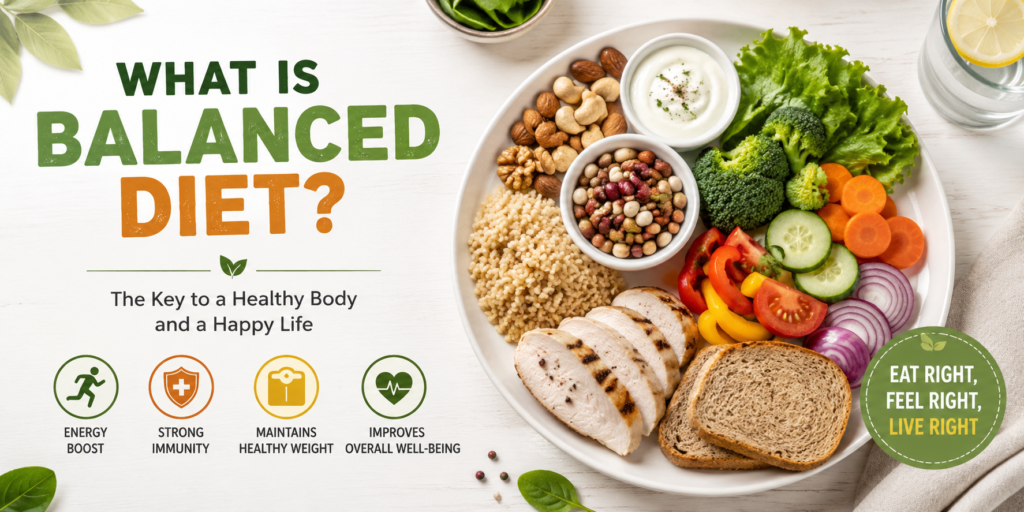
A balanced diet is a way of eating that provides your body with all the essential nutrients in the correct proportions. These nutrients include carbohydrates, proteins, healthy fats, vitamins, minerals, fiber, and water.
Instead of focusing on eliminating certain foods, a balanced diet emphasizes eating a variety of nutrient-rich foods from all major food groups.
A balanced diet should include:
- Whole grains
- Fresh fruits
- Seasonal vegetables
- Protein-rich foods
- Healthy fats
- Dairy or dairy alternatives
- Plenty of water
The exact nutritional requirements vary depending on age, gender, activity level, and health conditions.
Why Is a Balanced Diet Important?
Food acts as fuel for the body. Every organ depends on nutrients to function efficiently.
A balanced diet helps:
- Maintain healthy body weight
- Improve digestion
- Boost immunity
- Build strong muscles and bones
- Support brain function
- Increase energy levels
- Reduce fatigue
- Lower the risk of chronic diseases
- Improve skin and hair health
- Enhance mental well-being
Poor eating habits can contribute to obesity, diabetes, heart disease, high blood pressure, and nutritional deficiencies.
Components of a Balanced Diet
1. Carbohydrates
Carbohydrates are the body’s primary energy source.
Healthy carbohydrate sources include:
- Brown rice
- Oats
- Whole wheat flour
- Millets
- Sweet potatoes
- Quinoa
- Whole grain bread
Limit refined carbohydrates like:
- White bread
- Sugary cereals
- Cakes
- Cookies
- Soft drinks
2. Protein
Protein helps repair tissues, build muscles, and produce enzymes and hormones.
Excellent protein sources include:
Vegetarian
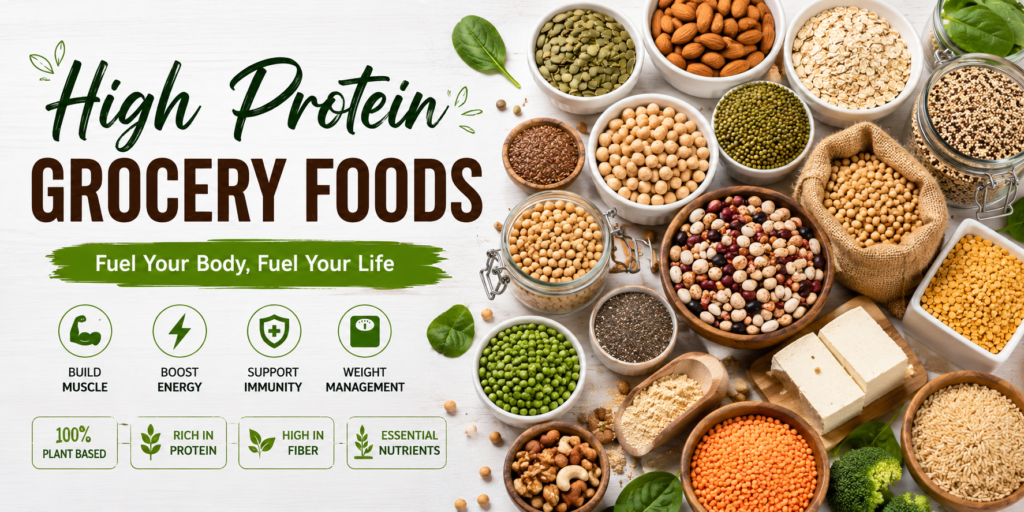
- Lentils
- Chickpeas
- Kidney beans
- Soybeans
- Tofu
- Paneer
- Milk
- Yogurt
Non-Vegetarian
- Eggs
- Chicken
- Fish
- Lean meat
Aim to include protein in every meal.
3. Healthy Fats
Healthy fats support brain function, hormone production, and vitamin absorption.
Choose:
- Almonds
- Walnuts
- Flaxseeds
- Chia seeds
- Peanuts
- Olive oil
- Mustard oil
- Avocados
Avoid excessive:
- Deep-fried foods
- Trans fats
- Hydrogenated oils
4. Vitamins
Vitamins regulate hundreds of body functions.
Examples:
Vitamin A
Supports vision and immunity.
Sources:
- Carrots
- Pumpkin
- Spinach
Vitamin C
Boosts immunity.
Sources:
- Oranges
- Lemons
- Guava
- Amla
Vitamin D
Supports bone health.
Sources:
- Sunlight
- Fortified milk
- Eggs
Vitamin B Complex
Supports metabolism and nervous system.
Sources:
- Whole grains
- Dairy
- Meat
- Legumes
5. Minerals
Minerals are essential for healthy bones, blood, and muscles.
Important minerals include:
Calcium
- Milk
- Cheese
- Yogurt
- Sesame seeds
Iron
- Spinach
- Lentils
- Beans
- Red meat
Potassium
- Bananas
- Coconut water
- Potatoes
Zinc
- Nuts
- Seeds
- Seafood
6. Fiber
Fiber supports digestive health and helps maintain healthy cholesterol and blood sugar levels.
Fiber-rich foods:
- Fruits
- Vegetables
- Whole grains
- Oats
- Beans
- Seeds
Adults should aim for approximately 25–35 grams of fiber daily.
7. Water
Water is often overlooked but is one of the most important nutrients.
Benefits include:
- Regulates body temperature
- Improves digestion
- Prevents dehydration
- Supports kidney function
- Maintains healthy skin
Aim for 2–3 liters of water daily, depending on activity level and climate.
Food Groups in a Balanced Diet
A healthy plate should include foods from all food groups.
Fruits
Examples:
- Apples
- Bananas
- Mangoes
- Berries
- Oranges
Benefits:
- Rich in vitamins
- High in antioxidants
- Natural sugars provide energy
Vegetables
Include colorful vegetables every day.
Examples:
- Broccoli
- Spinach
- Tomatoes
- Carrots
- Bell peppers
Benefits:
- High fiber
- Rich in vitamins and minerals
- Low in calories
Whole Grains
Choose:
- Brown rice
- Whole wheat
- Oats
- Millets
Benefits:
- Sustained energy
- Better digestion
- High fiber
Dairy
Provides:
- Calcium
- Protein
- Vitamin B12
Examples:
- Milk
- Yogurt
- Paneer
- Cheese
Protein Foods
Include:
- Eggs
- Fish
- Chicken
- Beans
- Lentils
- Soy products
Health Benefits of a Balanced Diet
Maintains Healthy Weight
Balanced nutrition prevents overeating and supports sustainable weight management.
Boosts Immunity
Vitamin-rich foods help your body fight infections naturally.
Improves Digestion
Fiber and water keep the digestive system functioning efficiently.
Supports Heart Health
Healthy fats and whole grains reduce bad cholesterol and support cardiovascular health.
Controls Blood Sugar
Whole grains, legumes, and fiber-rich foods help stabilize blood glucose levels.
Enhances Brain Function
Omega-3 fats, vitamins, and antioxidants improve concentration and memory.
Promotes Healthy Skin and Hair
Nutrients like protein, vitamins A, C, E, zinc, and healthy fats contribute to glowing skin and stronger hair.
Strengthens Bones
Calcium and vitamin D help prevent osteoporosis and maintain bone density.
Sample Balanced Diet Plate
A simple meal plate can be divided into:
- 50% vegetables and fruits
- 25% whole grains
- 25% protein-rich foods
- A serving of dairy
- Plenty of water
This method helps maintain portion control and nutritional balance.
Foods to Limit
A balanced diet doesn’t mean completely avoiding treats, but moderation is key.
Limit:
- Sugary beverages
- Packaged snacks
- Instant noodles
- Fried foods
- Processed meats
- Excess sweets
- Refined flour products
- High-sodium foods
Occasional indulgence is fine when most meals are nutritious.
Tips to Follow a Balanced Diet
Eat More Whole Foods
Choose minimally processed foods whenever possible.
Don’t Skip Breakfast
A nutritious breakfast fuels your day and helps control hunger.
Include Protein in Every Meal
Protein improves satiety and supports muscle health.
Eat Seasonal Fruits and Vegetables
Seasonal produce is often fresher, more nutritious, and cost-effective.
Control Portion Sizes
Eating appropriate portions helps maintain a healthy weight.
Stay Hydrated
Drink water consistently throughout the day.
Plan Your Meals
Meal planning reduces unhealthy food choices and saves time.
Read Food Labels
Check for added sugars, sodium, and unhealthy fats before purchasing packaged foods.
Common Myths About Balanced Diets
Myth 1: Healthy Food Is Expensive
Many affordable foods like lentils, oats, rice, eggs, bananas, and seasonal vegetables are highly nutritious.
Myth 2: Carbohydrates Are Bad
Whole grains and complex carbohydrates are essential sources of energy.
Myth 3: Fat Should Be Completely Avoided
Healthy fats are necessary for hormone production and nutrient absorption.
Myth 4: Skipping Meals Helps Weight Loss
Skipping meals often leads to overeating later and may slow metabolism.
Myth 5: Supplements Can Replace Food
Whole foods provide a combination of nutrients, fiber, and beneficial compounds that supplements cannot fully replace.
Balanced Diet for Different Age Groups
Children
Need protein, calcium, iron, fruits, vegetables, and whole grains for growth and development.
Teenagers
Require additional nutrients to support rapid physical growth and hormonal changes.
Adults
Should focus on balanced meals, regular physical activity, and portion control.
Older Adults
Need adequate protein, calcium, vitamin D, and fiber to support muscle, bone, and digestive health.
How Retail Grocery Stores Support Healthy Eating
Retail grocery stores make it easier to build a balanced diet by offering a wide variety of nutritious food options in one place.
Look for:
- Fresh fruits and vegetables
- Whole grains and cereals
- Pulses and legumes
- Dairy products
- Healthy cooking oils
- Nuts and seeds
- Low-sugar snacks
- Fresh herbs and spices
Shopping with a grocery list and choosing seasonal produce can help you eat healthier while staying within budget.
Conclusion
A balanced diet isn’t about strict food rules or giving up your favorite meals. It’s about making thoughtful choices that nourish your body every day. By including a variety of whole grains, lean proteins, healthy fats, fruits, vegetables, dairy, and plenty of water, you can improve your energy, strengthen your immune system, and lower the risk of many lifestyle-related diseases.
Small, consistent changes—like adding an extra serving of vegetables, choosing whole grains, or drinking more water—can make a significant difference over time. Whether you’re shopping for groceries or planning weekly meals, prioritizing a balanced diet is one of the best investments you can make in your long-term health.
Frequently Asked Questions (FAQs)
1. What is a balanced diet in simple words?
A balanced diet is a meal plan that provides all the essential nutrients—carbohydrates, proteins, fats, vitamins, minerals, fiber, and water—in the right amounts to keep your body healthy and functioning properly.
2. Why is a balanced diet important?
A balanced diet helps maintain energy, supports growth and repair, strengthens immunity, improves digestion, promotes healthy weight management, and reduces the risk of chronic diseases such as diabetes and heart disease.
3. Can I follow a balanced diet on a budget?
Yes. Affordable foods like rice, oats, lentils, beans, eggs, seasonal fruits, vegetables, and milk can provide excellent nutrition without increasing your grocery expenses.
4. How much water should I drink daily?
Most adults should aim for about 2–3 liters of water per day, though individual needs vary based on age, climate, and physical activity.
5. What foods should I avoid in a balanced diet?
Limit processed foods, sugary drinks, refined grains, deep-fried foods, excessive sweets, and foods high in salt and unhealthy fats. Enjoy them occasionally while focusing on nutrient-rich whole foods.