
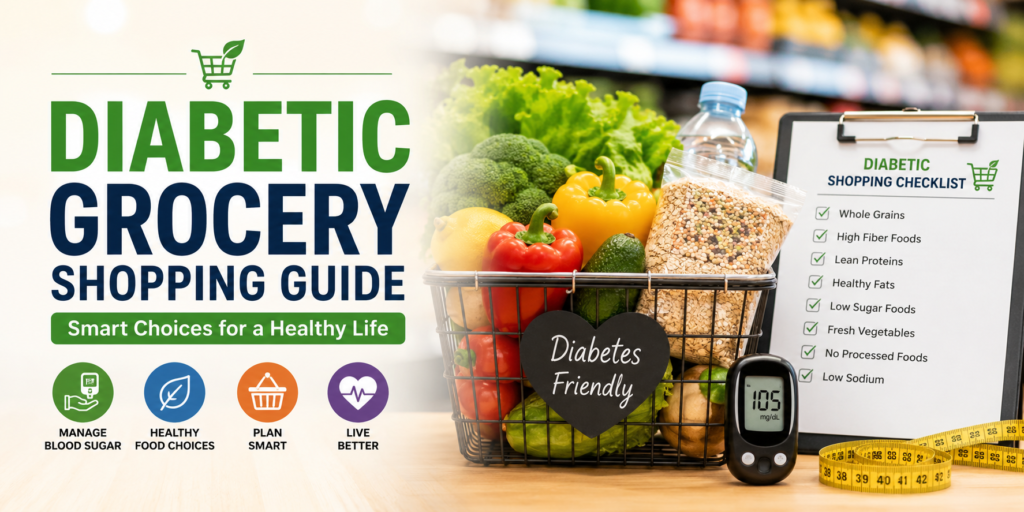
Shopping for groceries can feel really overwhelming when you have diabetes. There are many products that say they are healthy, low in sugar or good for diabetes but they might not actually help keep your blood sugar levels under control.
The good news is that grocery shopping does not have to be complicated. If you know which foods to focus on and which ones to limit you can make meals that help keep your blood sugar stable and still enjoy your food.
In this guide to grocery shopping with diabetes you will learn how to shop in a way. You will find out how to choose ingredients, understand nutrition labels and stock your kitchen with foods that are good for diabetes.
Whether you have just been diagnosed with diabetes or you want to eat healthier this guide will help you make choices when you are grocery shopping.
You will learn how to make decisions about what to buy every time you go shopping. Diabetes and grocery shopping do not have to be stressful.
By following this grocery shopping guide you can build nutritious meals. These meals will help stabilize your blood sugar. You can still enjoy food.
This comprehensive guide will help you. You can shop smarter. You can choose ingredients. You can read nutrition labels effectively. You can stock your kitchen with diabetes- essentials.
Why Grocery Shopping Matters for Diabetes
Healthy grocery shopping is the foundation of diabetes management. The foods you bring home directly influence your daily eating habits and blood sugar control.
A well-planned grocery trip can help:
- Maintain stable blood sugar levels
- Reduce unhealthy cravings
- Support healthy weight management
- Lower the risk of diabetes complications
- Improve overall nutrition
- Save money through planned purchases
Instead of focusing on restrictive diets, think about filling your cart with nutrient-rich foods that nourish your body.
Create a Diabetes-Friendly Grocery List Before You Shop
Planning ahead helps you avoid impulse purchases and unhealthy snacks.
Fresh Vegetables
Choose plenty of non-starchy vegetables, including:
- Spinach
- Broccoli
- Cauliflower
- Cabbage
- Bell peppers
- Cucumbers
- Tomatoes
- Green beans
- Bitter gourd (Karela)
- Bottle gourd (Lauki)
Aim to fill at least half your plate with vegetables during meals.
Fruits with a Lower Glycemic Impact
Fruit contains natural sugar but also provides fiber, vitamins, and antioxidants.
Good choices include:
- Apples
- Pears
- Guava
- Oranges
- Berries
- Kiwi
- Papaya
- Pomegranate (in moderation)
Eat whole fruits rather than fruit juices to maximize fiber intake.
Whole Grains Instead of Refined Carbohydrates
Whole grains digest more slowly and help maintain steadier blood sugar.
Best options include:
- Brown rice
- Oats
- Quinoa
- Whole wheat flour
- Millets (Bajra, Jowar, Ragi)
- Barley
Avoid excessive consumption of refined flour (maida), white bread, and sugary cereals.
Protein-Rich Foods
Protein helps keep you full and slows carbohydrate digestion.
Healthy protein sources include:
- Lentils
- Chickpeas
- Kidney beans
- Black beans
- Soybeans
- Tofu
- Paneer (low-fat)
- Eggs
- Skinless chicken
- Fish
- Greek yogurt (unsweetened)
Healthy Dairy Choices
Choose low-fat or unsweetened dairy products such as:
- Low-fat milk
- Plain yogurt
- Greek yogurt
- Cottage cheese
- Unsweetened soy milk
Avoid flavored yogurts with added sugar.
Healthy Fats
Healthy fats improve satiety and support heart health.
Include:
- Almonds
- Walnuts
- Pistachios
- Peanuts
- Flaxseeds
- Chia seeds
- Pumpkin seeds
- Olive oil
- Mustard oil
- Groundnut oil (in moderation)
Remember that healthy fats are calorie-dense, so portion control is important.
Pantry Essentials Every Diabetic Kitchen Should Have
Keeping healthy staples at home makes meal preparation easier.
Stock your pantry with:
- Oats
- Whole wheat flour
- Millets
- Brown rice
- Lentils
- Beans
- Chickpeas
- Sugar-free peanut butter
- Unsalted nuts
- Seeds
- Herbs and spices
- Cinnamon
- Turmeric
- Black pepper
- Garlic
- Green tea
- Unsweetened herbal tea
These ingredients support balanced, nutritious meals throughout the week.
Foods to Limit While Grocery Shopping
Not every packaged product labeled “healthy” is suitable for diabetes.
Limit purchasing:
- Sugary drinks
- Soft drinks
- Candy
- Cookies
- Cakes
- Pastries
- Sweetened breakfast cereals
- White bread
- Refined pasta
- Potato chips
- Instant noodles
- Deep-fried snacks
- Sweetened fruit juices
- Sweetened yogurt
- Processed desserts
Reducing these foods helps prevent sudden blood sugar spikes.
Learn to Read Nutrition Labels
Reading labels is one of the smartest shopping habits for diabetes management.
Pay attention to:
Total Carbohydrates
Choose products with moderate carbohydrate content.
Added Sugar
Select foods with little or no added sugar.
Dietary Fiber
Higher fiber foods digest more slowly and improve blood sugar control.
Aim for products with at least 3–5 grams of fiber per serving.
Protein
Higher protein foods help increase fullness.
Sodium
Lower sodium supports heart health, which is especially important for people with diabetes.
Smart Shopping Tips for People with Diabetes
Use these practical strategies during every grocery trip:
- Never shop on an empty stomach.
- Prepare a shopping list in advance.
- Buy fresh produce first.
- Compare nutrition labels before buying packaged foods.
- Choose seasonal fruits and vegetables.
- Purchase whole foods more often than processed foods.
- Buy frozen vegetables without added sauces.
- Avoid bulk purchases of unhealthy snacks.
- Practice portion control, even with healthy foods.
Small shopping habits often lead to significant long-term health benefits.
Healthy Snack Ideas to Keep at Home
Nutritious snacks help prevent overeating during meals.
Great diabetes-friendly snacks include:
- Roasted chickpeas
- Unsalted mixed nuts
- Greek yogurt
- Apple with peanut butter
- Cucumber slices with hummus
- Boiled eggs
- Sprouts salad
- Roasted makhana
- Cottage cheese cubes
- Vegetable sticks
These snacks provide fiber, protein, and healthy fats.
Meal Planning Starts with Grocery Shopping
Planning meals before shopping helps reduce food waste and unhealthy decisions.
A simple daily meal plan might include:
Breakfast
Vegetable oats with boiled eggs or tofu.
Mid-Morning Snack
Apple with almonds.
Lunch
Brown rice, dal, mixed vegetables, and salad.
Evening Snack
Roasted makhana or sprouts.
Dinner
Grilled paneer or fish with sautéed vegetables.
Bedtime
Unsweetened milk if recommended by your healthcare provider.
Meal planning makes grocery shopping purposeful and efficient.
Budget-Friendly Grocery Shopping for Diabetes
Healthy eating doesn’t have to be expensive.
Ways to save money include:
- Buy seasonal produce.
- Purchase grains and pulses in bulk.
- Compare unit prices.
- Use store discounts.
- Choose generic brands.
- Cook meals at home.
- Reduce food waste through weekly meal planning.
- Freeze extra vegetables for later use.
Healthy eating can fit nearly every budget with thoughtful planning.
Common Grocery Shopping Mistakes
Avoid these frequent errors:
- Buying products based only on “sugar-free” labels
- Ignoring serving sizes
- Purchasing flavored yogurt
- Skipping nutrition labels
- Buying too many processed snacks
- Forgetting healthy protein sources
- Shopping without a list
- Overlooking fiber content
Awareness of these mistakes can improve long-term diabetes management.
Final Thoughts
Managing diabetes starts a time before you even think about what you are going to eat. It really begins when you are at the grocery store. When you pick out vegetables and lean proteins and whole grains and healthy fats and foods that are rich in fiber you are making a good start on eating healthy and having better blood sugar levels.
You should know that there is no one food that can control diabetes. What really makes a difference is if you make choices all the time and watch how much you eat and plan your meals and shop for food in a smart way.
The time you go to the grocery store you should make a list of the things you want to buy and read the labels on the food to see what is, in it. You should try to buy foods that are not processed much. This will help you and your diabetes in the run. Your future self and your diabetes will be very happy if you do this.
Frequently Asked Questions (FAQs)
1. What are the best grocery items for people with diabetes?
The best choices include leafy vegetables, whole grains, lentils, beans, lean proteins, low-fat dairy, nuts, seeds, berries, apples, and healthy oils.
2. Can diabetics eat fruits?
Yes. Whole fruits such as apples, berries, oranges, guava, pears, and kiwi can be enjoyed in moderation as part of a balanced diet.
3. Which foods should diabetics avoid while shopping?
Limit sugary beverages, candy, cakes, pastries, white bread, refined flour products, processed snacks, sweetened cereals, and foods high in added sugars.
4. How can I reduce my grocery bill while following a diabetic diet?
Buy seasonal produce, shop with a list, purchase grains and legumes in bulk, cook at home, compare prices, and reduce food waste through meal planning.
5. Why is reading nutrition labels important for diabetes?
Nutrition labels help you compare products, monitor carbohydrate intake, identify added sugars, choose higher-fiber options, and make healthier purchasing decisions that support blood sugar management.